
The fastest changes do not come from going harder, they come from showing up with a plan you can repeat.
In San Jose, schedules fill up fast, and stress has a sneaky way of tagging along from work to home. When you start Jiu-Jitsu, you quickly realize the biggest benefit is not just learning techniques, it is building habits that make you feel steadier in your own skin. We see it every week: confidence grows through small wins, focus improves when you practice staying calm under pressure, and strength shows up in ways that matter in real life.
Our goal is to help you train in a way that is sustainable, not overwhelming. That means we pay attention to how you actually build skills over time: the routines you keep, the basics you repeat, and the mindset you bring onto the mat even when you are tired from the day.
Below, we are going to break down the specific training habits that reliably build confidence, focus, and strength and how you can apply them in our program and class schedule here in San Jose.
Why habits matter more than motivation in Jiu-Jitsu
Motivation is great when it is there, but it is inconsistent. Habits are what carry you through the weeks where work runs long, your sleep is off, or your energy is just not dramatic and inspiring. In Jiu-Jitsu, consistent practice matters because every class gives you feedback: what worked, what did not, and what to refine next.
We also structure training so you can get results without feeling like you have to be in the gym every day. A steady rhythm, even two days per week, gives your body time to adapt and your brain time to absorb details. When you train like that, progress becomes predictable instead of random.
Habit 1: Train two days per week, then protect those days
If you are new, two classes per week is a strong starting point. It is frequent enough that techniques stay familiar, but not so frequent that you feel like you are constantly recovering or rearranging your life. Once you pick those days, treat them like appointments. That sounds simple, but it is one of the most powerful habits we see.
If your week is unpredictable, we recommend choosing two “primary” class times and one “backup” option from the class schedule. That way, if a meeting runs late or family plans shift, you still have a clear path to consistency instead of skipping the whole week.
Habit 2: Start with fundamentals to reduce overwhelm
A common reason beginners quit any martial art is not soreness or difficulty, it is confusion. There is a lot happening in Jiu-Jitsu: positions, grips, timing, and the weird feeling of trying to stay calm while someone is applying pressure. Starting in beginner friendly fundamentals classes helps you build confidence faster because you understand what you are doing and why it works.
In our fundamentals progression, we focus on core movements and high percentage positions first. You learn how to survive safely, escape bad spots, and control the pace before you worry about flashy sequences. That foundation is what turns a stressful experience into a focused one.
Habit 3: Use a simple goal for each class
You do not need a complicated training journal to make progress. We encourage you to walk into class with one small goal, such as:
• Keep your elbows tight in bottom position and stop reaching
• Hit one clean escape, even if you only get it once
• Stay aware of your breathing when the pace increases
• Ask one question about a detail you keep missing
This habit builds focus because it narrows your attention. Instead of trying to remember everything at once, you give your brain a single target. Over time, those targets stack up into real skill.
Habit 4: Track small wins, because confidence is built in inches
Confidence in Jiu-Jitsu is not a pep talk. It is evidence. You feel more confident when you can point to something concrete that improved, even if it is small. We like “position based” wins because they are measurable. For example, maybe last month you got stuck under side control every round, and now you can recover guard once or twice. That is progress you can trust.
A simple way to track this is to pick two positions you care about and watch what changes over a few weeks:
• Bottom mount: Can you frame and start an escape sooner
• Closed guard: Can you break posture and control distance
• Side control top: Can you hold position without muscling
• Back control: Can you keep your hooks and stay patient
Those improvements translate directly to confidence off the mat too. You start to believe in your ability to work through pressure instead of panicking when something feels difficult.
Habit 5: Breathe on purpose to build focus under pressure
Focus is not only mental. Your breathing drives it. When you hold your breath, your body acts like the situation is an emergency, and your decision making gets sloppy. We coach breathing as a skill, especially during sparring and positional rounds. Slow inhales through the nose and controlled exhales help you stay present, even when your heart rate climbs.
This is one of the reasons Jiu-Jitsu can feel like moving meditation, even though it is physically demanding. You are learning to stay calm inside effort, and that carries over into stressful meetings, long commutes, and tense moments at home.
Habit 6: Drill the same basics until your body owns them
Drilling is where technique becomes usable. In the beginning, it is tempting to chase variety, but confidence comes from repetition. We would rather you have three reliable escapes and one solid guard pass than ten techniques you cannot hit when it counts.
In our classes, we build skill through structured repetition. You practice the same movement pattern enough times that you stop thinking about every step. That is when focus improves and strength becomes more efficient, because you are not wasting energy fighting your own positioning.
Habit 7: Build strength the Jiu-Jitsu way: posture, hips, and grips
Jiu-Jitsu absolutely develops strength, but it is not the same as lifting heavier weights. It is functional strength: the ability to keep posture, move your hips, and control another person’s balance without burning out. Over time, students often notice stronger legs and hips, better core stability, and surprising grip endurance.
Here are a few training qualities we emphasize that directly build strength on the mat:
• Posture and alignment, so your spine and hips work together under pressure
• Hip movement, including bridging, shrimping, and turning to your side safely
• Isometric control, like maintaining frames and holds without over tensing
• Pace management, so you learn when to explode and when to settle
The result is a kind of strength that feels useful, not just impressive.
Habit 8: Treat sparring as practice, not a test
Sparring is where confidence and focus get sharpened, but only if you approach it the right way. If every round feels like a final exam, you will tense up and avoid experimenting. We coach sparring as a learning environment. You are allowed to make mistakes. You are supposed to make mistakes, actually, because that is how you find what needs work.
A practical habit is to pick one “theme” for a week of sparring, like guard retention or escaping side control, and accept that you might lose positions while you learn. When you stop trying to win every moment, you start improving faster and your confidence becomes quieter and more stable.
Habit 9: Ask questions early, not after months of guessing
One of the easiest ways to speed up your progress is to ask questions right when you notice confusion. We encourage you to ask after class or during drilling when something does not click. Often, a tiny detail is the difference between “this never works for me” and “oh, that makes sense.”
This habit also builds confidence socially. Walking into a new gym can feel intimidating at first, but when you engage with coaching, you stop feeling like you are on the outside looking in. You become part of the learning process, and that changes how you show up.
Habit 10: Make recovery part of your schedule
Strength and focus improve when your body recovers. If you train hard and sleep poorly, everything feels harder than it needs to. We recommend a few realistic recovery habits that fit busy San Jose life:
1. Drink water before class, not just after, so you do not start already behind
2. Add a short mobility routine on non training days, even 8 to 10 minutes
3. Aim for consistent sleep times, because skill learning depends on it
4. Keep at least one full rest day each week when you are starting out
Recovery is not a luxury. It is part of building confidence because you feel capable and ready when you arrive.
Youth Jiu-Jitsu San Jose, CA: habits that help kids build confidence and self control
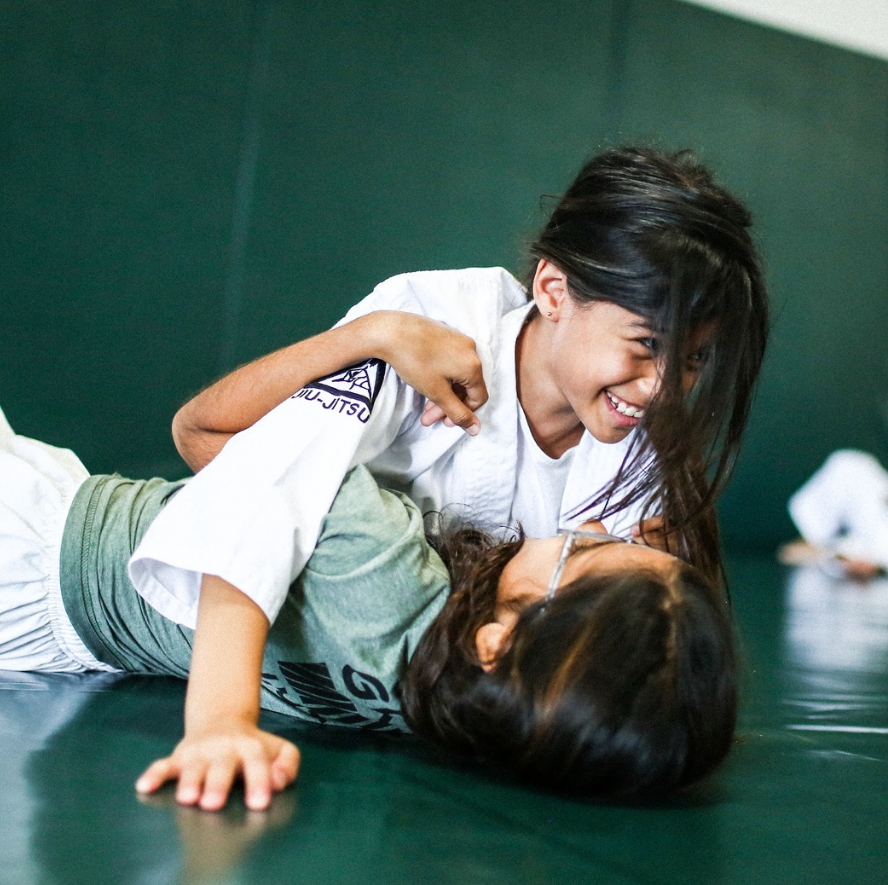
Parents often look for Youth Jiu-Jitsu San Jose, CA programs because kids need more than exercise. They need structure, coordination, and a safe way to practice self control. On the mat, kids learn to listen, follow steps, and work with partners respectfully. That routine becomes a habit, and it tends to show up in school and at home.
We keep youth training focused on age appropriate skill building and positive reinforcement. Confidence grows when kids feel capable and supported, not when they feel thrown into chaos. Over time, many kids become more comfortable speaking up, trying new things, and handling frustration without melting down. It is not instant, but it is real.
What to expect in your first few weeks
The first few weeks of Jiu-Jitsu are a mix of excitement and information overload, and that is normal. You will learn basic positions, simple escapes, and how to move safely with a partner. You will also start recognizing patterns, which is where focus begins to improve.
We recommend giving yourself a short runway of consistent training. If you show up twice per week for a couple of months, most students notice meaningful changes: better body awareness, more comfort with pressure, and a growing sense that you can figure things out even when you are tired. That is the habit loop working.
Take the Next Step
If you want Jiu-Jitsu San Jose, CA training that is organized around sustainable progress, we built our classes to help you develop repeatable habits that translate into confidence, focus, and strength. The point is not to become a different person overnight. The point is to practice something challenging in a controlled way until your mindset changes, almost without you noticing.
When you are ready, we would love to help you get started at Gracie Jiu-Jitsu San Jose with a plan that fits your schedule and your experience level, whether you are joining for personal growth, fitness, self-defense, or Youth Jiu-Jitsu San Jose, CA for your child.
Experience how Jiu-Jitsu builds resilience and focus by joining a class at Gracie Jiu-Jitsu San Jose.